“`html
When February Ice Dams Left Water Stains on Your Reading Ceiling
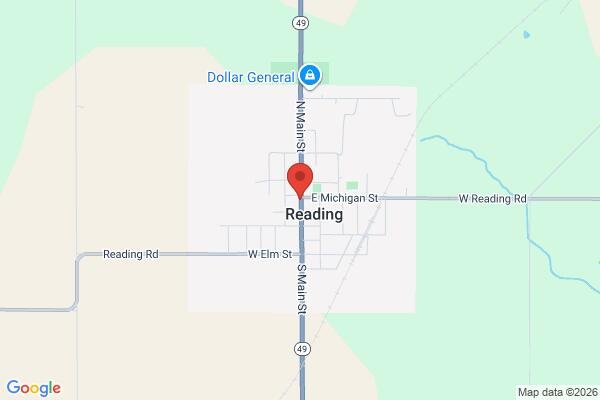
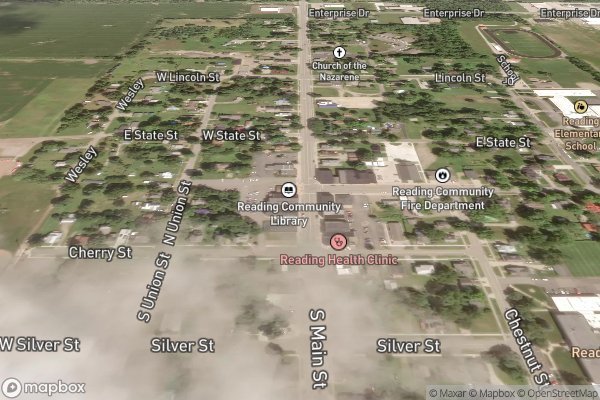
Last winter, temperatures in Reading fluctuated wildly—one day hitting 38°F, the next plummeting to 12°F. That freeze-thaw cycle is brutal on traditional asphalt roofing. If you spotted water stains creeping across your upstairs ceiling or watched icicles the size of baseball bats hanging from your gutters, you’re not alone. Many homeowners in the 49274 area dealt with ice dam damage that could have been prevented with the right roofing material. Metal roofing installation has become increasingly popular in Southern Michigan precisely because it handles our schizophrenic weather patterns better than almost any alternative.
Here’s what makes metal different: snow slides right off instead of sitting there, melting and refreezing at the edges. That means fewer ice dams, less water infiltration, and dramatically reduced risk of the kind of ceiling damage that costs thousands to repair. But switching to metal isn’t just about slapping new panels over your existing roof and calling it done. There are real decisions to make, and understanding your options will save you both money and headaches.
Should You Install Metal Roofing Over Your Existing Shingles?
One of the biggest questions Reading homeowners ask is whether metal roof over shingle installation makes sense. The short answer? Sometimes. If your current asphalt roof has only one layer and the decking underneath is solid, installing metal directly over shingles can save you $2,000-$4,000 in tear-off costs. You’ll skip the dumpster rental, the disposal fees, and about two days of labor. However—and this is important—if your roof decking has any soft spots from water damage or if you’ve already got two layers of shingles up there, you absolutely need to strip everything down first.
The risk with overlay installation is that you’re covering up problems you can’t see. Reading’s older homes, particularly those built in the 1960s and 70s near the village center, often have roof decking that’s been compromised by decades of moisture. A reputable contractor will always inspect your decking before recommending an overlay approach. They should be checking for rot, adequate ventilation, and whether your roof structure can handle the additional weight—though modern metal roofing is actually lighter than architectural shingles, so weight is rarely an issue.
The Real Numbers: Standing Seam Metal Roof Cost in Reading
Let’s talk actual dollars, because standing seam metal roof cost varies significantly based on your choices. In the Reading area, you’re typically looking at:
- Basic galvanized steel panels: $8-$11 per square foot installed, offering 30-40 year lifespan with proper maintenance
- Aluminum standing seam (better corrosion resistance): $11-$14 per square foot, ideal for homes with mature trees that hold moisture
- Premium copper or zinc options: $18-$25 per square foot, lasting 60+ years and developing distinctive patinas over time
- Stone-coated steel (looks like tile or shingle): $9-$13 per square foot, giving you metal durability with traditional aesthetics
For a typical 2,000 square-foot ranch home in Reading, expect total metal roofing installation costs between $16,000 and $28,000. That’s roughly double what you’d pay for quality architectural asphalt shingles. But here’s the math that matters: asphalt roofs in Michigan last 15-20 years, while metal easily goes 40-50 years. You’re also looking at energy savings of 10-25% in summer months because metal reflects solar heat instead of absorbing it. Over the life of your roof, metal often costs less per year of service.
Metal Roof vs Asphalt Shingle Comparison: What Reading’s Climate Teaches Us
The metal roof vs asphalt shingle comparison gets interesting when you factor in Reading’s specific weather patterns. We get about 37 inches of snow annually, plus those temperature swings that create freeze-thaw havoc. Metal excels in three key areas: it sheds snow and ice efficiently, it doesn’t crack or lose granules from hail impact (and yes, we get occasional hail here), and it handles wind better—crucial when those summer storms roll through with 50+ mph gusts.
Asphalt has its place, though. It’s significantly cheaper upfront, easier to repair if a tree branch causes damage, and many Reading homeowners simply prefer the traditional look. Asphalt also provides slightly better noise insulation during heavy rain—metal roofs can be louder unless you install proper underlayment with sound-dampening properties. The choice often comes down to how long you plan to stay in your home. If you’re thinking 10 years or less, asphalt makes financial sense. Planning to age in place? Metal is the smarter long-term investment.
Don’t Forget These Critical Add-Ons
Two often-overlooked considerations for metal roofs in Reading: snow guards and maintenance. Metal roof snow guard installation costs $500-$1,500 depending on your roof size, but they prevent dangerous avalanches of snow from sliding off and damaging landscaping, air conditioning units, or unsuspecting family members below. Given our snow loads, they’re not optional—they’re essential safety features.
Down the road, you might also need metal roof painting contractors if you choose a painted finish rather than natural metal. Quality Kynar 500 or similar coatings last 30+ years, but eventually they’ll fade or chalk. Repainting costs $2-$4 per square foot, far less than replacement, and gives your roof a completely refreshed appearance.
Finding the Right Metal Roofing Professional in Reading
When you’re ready to move forward with metal roofing installation in the 49274 area, look for contractors who’ve specifically worked with standing seam systems and can show you local references. Ask about their experience with Michigan building codes, whether they’re licensed and insured, and how they handle ice and water shield installation around valleys and penetrations—that’s where most metal roof failures happen. A quality local contractor will give you a detailed written estimate breaking down materials, labor, and any necessary structural reinforcements before a single panel goes up.
“`