When Your Neighbor’s Tile Roof Gets a Modern Metal Makeover
Last summer, you probably noticed the construction crew working on the Craftsman two blocks from the Strand. The homeowners ripped off their deteriorating Spanish tiles and replaced them with sleek standing seam panels that looked nothing like the tin barns you remember from road trips. Now their energy bills have dropped by 25%, they’ve stopped worrying about earthquake damage from heavy tiles, and their home appraisal came back $40,000 higher than comparable properties. Meanwhile, you’re calculating how many more years you can squeeze out of your asphalt shingles before the ocean salt air finally wins.
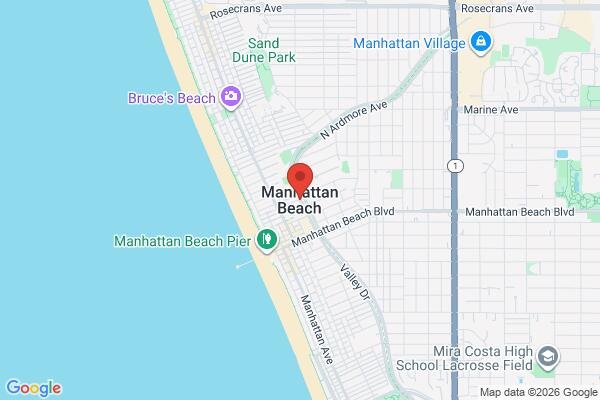
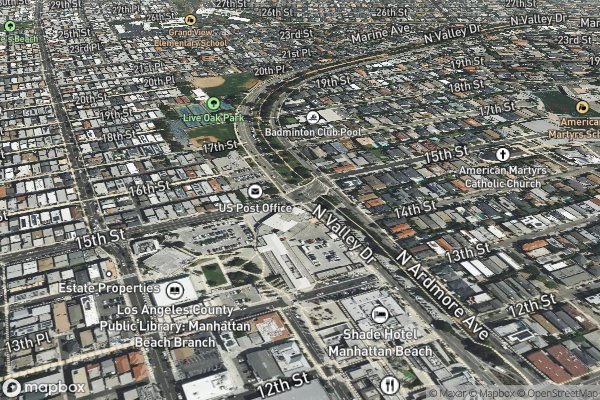
Metal roofing installation has quietly become one of the smartest investments for Manhattan Beach homeowners, particularly in the 90266 zip code where coastal conditions accelerate roof deterioration. But the decision isn’t as simple as swapping one material for another—especially when you’re dealing with California’s Title 24 energy requirements, potential HOA restrictions, and the significant upfront costs that make or break project budgets.
What Makes Metal Roofing Worth Considering in Coastal Manhattan Beach?
The relentless Pacific moisture that makes our beach mornings magical also wreaks havoc on traditional roofing materials. Asphalt shingles typically last 15-20 years in inland California but often fail after just 12-15 years here due to salt corrosion and UV exposure. Metal roofing flips that equation entirely. A properly installed standing seam metal roof will outlast you—manufacturers offer 50-year warranties, and the material itself can perform for 70+ years with minimal maintenance. That longevity becomes even more valuable when you factor in Manhattan Beach’s average home value exceeding $2 million. You’re not just protecting a structure; you’re safeguarding a significant financial asset.
Standing seam metal roof cost in our area runs between $14-$22 per square foot installed, which translates to $28,000-$44,000 for a typical 2,000 square foot Manhattan Beach home. Yes, that’s roughly triple the cost of premium asphalt shingles. But here’s where the math gets interesting: over a 30-year period, you’ll replace asphalt shingles twice (maybe three times in our coastal climate), spending $25,000-$35,000 total, while the metal roof just keeps performing. Add in the energy savings—metal reflects solar heat rather than absorbing it, reducing cooling costs by 10-25%—and the payback period shrinks to 15-20 years.
Should You Consider Metal Roof Over Shingle Installation?
One cost-saving approach that’s gained traction is metal roof over shingle installation, where new metal panels go directly over your existing asphalt layer. This method can save $2,000-$5,000 in tear-off and disposal costs, but it’s not universally recommended. The technique works best when your existing shingles are relatively flat and you have only one layer. Manhattan Beach’s older homes—particularly those in the Tree Section built in the 1950s-1970s—often have multiple shingle layers or underlying moisture damage that must be addressed first. California building code permits up to three layers total, but adding metal over compromised shingles just locks in existing problems. A qualified contractor should inspect your roof deck before recommending this approach. If you spot any soft spots when walking your roof (carefully, with appropriate safety equipment), or if you can see daylight through gaps in your attic, the overlay method isn’t appropriate.
Metal Roof vs Asphalt Shingle: The Real Comparison Manhattan Beach Homeowners Need
Beyond longevity and cost, here’s what actually matters for your specific situation:
- Fire resistance: Metal roofing earns a Class A fire rating, the highest possible. With California’s wildfire concerns expanding even to coastal areas, insurance companies increasingly offer premium discounts for fire-resistant roofing—sometimes 5-15% annually.
- Weight considerations: Standing seam metal weighs 1-3 pounds per square foot versus 2-4 pounds for asphalt shingles. For older Manhattan Beach homes with uncertain structural integrity, metal actually reduces roof load while providing superior protection.
- Noise concerns: The myth that metal roofs sound like drums during rain is outdated. Proper installation with solid sheathing and adequate attic insulation makes metal roofs quieter than asphalt during our occasional winter storms.
- Aesthetic flexibility: Modern metal roofing comes in dozens of profiles and colors. You can get panels that convincingly mimic Spanish tiles, wood shakes, or traditional shingles while delivering metal’s performance benefits. Important for Manhattan Beach homes in historic districts or under HOA oversight.
- Resale value: Metal roofing recoups 85-95% of installation costs at resale according to Remodeling Magazine’s Cost vs. Value report—one of the highest returns for any home improvement project.
Specialized Services You Might Need
Metal roof painting contractors become relevant 20-30 years post-installation when your factory finish shows wear. Coastal conditions can fade colors faster than inland locations. Professional recoating with specialized metal roof paint systems costs $3-$6 per square foot—substantially less than replacement—and extends roof life another 15-20 years. For homes near the ocean or in hillside areas that catch winter winds, metal roof snow guard installation might sound unnecessary in Southern California. But these aren’t just for snow—they prevent sudden avalanches of morning dew, accumulated dirt, and the occasional hail that could damage gutters, landscaping, or unsuspecting pedestrians below.
Questions to Ask Before Signing That Contract
When interviewing metal roofing contractors in Manhattan Beach, skip the generic “are you licensed and insured” questions (that’s baseline, not differentiating). Instead ask: What’s your experience with California Title 24 compliance for cool roofing requirements? Can you provide references from homes within two miles of the ocean? What substrate preparation do you recommend for my specific roof deck condition? Which panel fastening system do you use—exposed fastener or concealed—and why? How do you handle the flashing details around my skylights and chimney? What’s your warranty on labor versus materials, and who handles warranty claims if you go out of business?
Finding qualified roofing professionals in Manhattan Beach, CA means looking for contractors with extensive coastal installation experience and verifiable local references. The unique demands of 90266’s salt air environment require expertise that inland roofers simply don’t possess—experience that protects your investment for decades to come.