When Your Asphalt Shingles Start Looking Like Aged Cardboard: The Metal Roofing Conversation Every Buckeye Homeowner Eventually Has
Last winter, my neighbor Jim stood in his driveway during one of those brutal February ice storms we get here in Buckeye, watching shingle granules wash down his gutters like sand through an hourglass. Twenty-three years his roof had lasted—not bad, really—but now he faced a decision that would affect his home’s protection for the next half-century. Should he replace those worn asphalt shingles with more of the same, or make the leap to metal roofing installation?
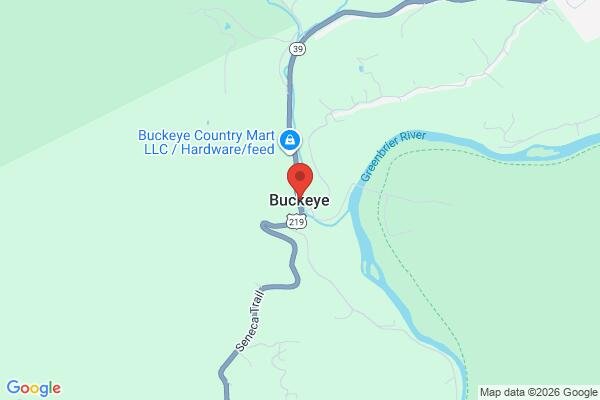
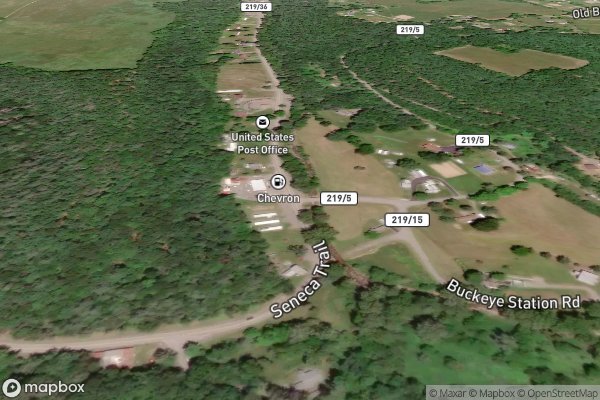
If you’re reading this from somewhere in the 24924 area code with a roof that’s seen better days, you’re probably wrestling with the same question. Metal roofing has moved beyond barn aesthetics into mainstream residential applications, but the decision involves more than just picking a material. Let’s break down what metal roofing installation actually means for homeowners in our corner of West Virginia, where weather doesn’t ask permission before testing your roof’s limits.
Metal Roof vs Asphalt Shingle Comparison: What Actually Matters in Buckeye’s Climate
The standing seam metal roof cost typically runs between $9 to $16 per square foot installed in the Buckeye area, compared to $3.50 to $5.50 for architectural asphalt shingles. Yes, that’s roughly triple the upfront investment. But here’s where the math gets interesting for our local conditions. Asphalt shingles in our humid, freeze-thaw climate generally last 18-25 years before requiring replacement. A properly installed metal roof? You’re looking at 40-70 years, depending on the gauge and coating system you choose.
Consider our typical weather patterns: those wet spring seasons that seem to stretch into June, summer thunderstorms that arrive with barely any warning, and winters that alternate between ice accumulation and sudden thaws. Metal roofing handles this rollercoaster far better than asphalt for several reasons. Metal sheds snow and ice more effectively—crucial when you’re dealing with the ridge elevations around Buckeye where snow loads can surprise you. The interlocking panels create a continuous barrier against wind-driven rain, which matters during those horizontal downpours that seem to find every weak point in traditional shingle installations.
The Energy Efficiency Nobody Talks About Until August
Here’s something your cooling bills will appreciate: reflective metal roofing can reduce attic temperatures by 20-30 degrees compared to dark asphalt shingles. When August humidity settles over Greenbrier County like a wet blanket, that difference translates to 10-25% lower cooling costs. Over a 50-year lifespan, that energy savings substantially offsets the higher installation cost.
Can You Install Metal Roof Over Shingles? The Decision That Could Save You Thousands
This question comes up in nearly every estimate consultation, and the answer is genuinely helpful for Buckeye homeowners: yes, metal roof over shingle installation is often possible and can save you $2,000-$4,000 in tear-off and disposal costs. However, there are important conditions to meet:
- Only one existing shingle layer: Building codes in WV typically prohibit more than two total roof layers, and you’ll be adding one with the metal system
- Solid decking underneath: If your plywood or OSB sheathing shows sagging or water damage, it needs replacement regardless of what goes on top
- Proper ventilation planning: You’ll need furring strips (typically 1×4 boards) to create an air gap between the old shingles and new metal, allowing moisture to escape
- Flat, uniform surface: Severely cupped or damaged shingles create an uneven base that will telegraph through the metal panels
- No active leaks: Trapping moisture under a new metal roof is asking for rot problems you won’t discover until it’s expensive
Most reputable contractors will perform a deck inspection before recommending overlay installation. Expect this assessment to include attic inspection from below and possibly removing sample shingles in several locations. Don’t skip this step—saving $3,000 on tear-off doesn’t help if you’re replacing rotted decking three years later.
What Questions Should You Ask Before Signing a Metal Roofing Contract?
The quality range in metal roofing installation is enormous, and not all contractors in the Buckeye area have equal experience with standing seam systems. Here are the specific questions that separate professionals from experimenters:
What’s the panel gauge and coating system? You want 24-gauge or 26-gauge steel (thicker is better) with a Kynar 500 or similar PVDF coating, not basic polyester. This affects longevity dramatically in our humid climate.
How do you handle the penetrations? Chimneys, vent pipes, and skylights are where most metal roofs eventually leak. Proper flashing details and sealant choices matter enormously. Ask specifically about what products they use—you’re looking for butyl-based sealants, not silicone.
Do you install with hidden or exposed fasteners? Standing seam metal roofs use concealed clips that allow for thermal expansion and contraction—critical given our 80+ degree temperature swings between summer and winter. Exposed fastener systems are cheaper but require maintenance as gaskets age.
What about snow retention? Metal roof snow guard installation isn’t optional in Buckeye—it’s essential. When two feet of snow suddenly releases from a metal surface, it can destroy gutters, damage landscaping, or injure someone standing below. Snow guards should be calculated based on your roof pitch and snow load, not just randomly placed.
The Paint Question: Can You Change Your Mind Later?
Many homeowners ask about metal roof painting contractors years after installation, either because the color no longer suits them or the finish has faded. Here’s the reality: factory finishes on quality metal roofing carry 30-40 year warranties against fading. If you’re considering repainting within the first 20 years, something went wrong—either you chose a lower-grade coating initially, or there were installation issues causing premature degradation. That said, metal roofs can be successfully repainted using specialized acrylic coatings, typically running $2-$4 per square foot. Just make sure you’re addressing the root cause, not masking a defect that should be covered under warranty.
Finding the Right Metal Roofing Professional in Buckeye
When you’re ready to move forward with metal roofing installation, look for contractors who can show you local projects with similar roof complexity to yours—not just photos, but addresses you can drive by. Ask for references specifically from the 24924 area who can speak to how the contractor handled our weather challenges. The right professional will spend more time asking questions about your home than talking about themselves, and they’ll provide a detailed written estimate that breaks down materials, labor, and exactly what preparation work is included.